Introduction to Smart Glasses
Smart glasses are poised to revolutionize how we interact with technology, bridging the gap between augmented reality and seamless user experience. As we step into 2026, these innovative devices are emerging as essential tools across various sectors, from entertainment and fitness to education and enterprise solutions. The evolution of smart glasses has come a long way, offering users enhanced functionality and a unique way to engage with the world. By integrating cutting-edge technology with everyday tasks, smart glasses provide an immersive experience that is both practical and engaging.
What Are Smart Glasses?
Smart glasses are eye-worn devices equipped with advanced technologies that extend beyond traditional eyewear. They combine functionalities such as display screens, cameras, and audio systems, allowing users to access information and multimedia without the need for handheld devices. Unlike regular glasses that serve a purely optical purpose, smart glasses can overlay digital content onto the physical world, enabling a more interactive experience. Their applications range from simple notifications to complex augmented reality (AR) experiences, making them versatile in various contexts.
The Evolution of Smart Glasses Over the Years
The concept of smart glasses dates back to the early 2000s, with pioneers like Google Glass paving the way for future innovations. While early iterations faced challenges such as limited use cases and privacy concerns, advancements in technology have led to the emergence of more sophisticated options. For instance, the integration of AI and machine learning has allowed for better user interaction and real-time data processing. As we look at the landscape in 2026, several brands are capitalizing on this evolution by providing feature-rich devices that cater to specific user needs. Major tech players are continuously pushing the envelope, making smart glasses more appealing to the mainstream market.
Key Features and Technologies Behind Smart Glasses
Modern smart glasses are equipped with various features designed to enhance user experience. These include:
- Augmented Reality Capabilities: Many smart glasses now offer AR features that overlay virtual objects onto the real world, creating immersive experiences for gaming, navigation, and more.
- Voice Control: Integration with voice assistants enables hands-free operation, allowing users to interact with their devices without needing to touch buttons or screens.
- Video and Photography: High-definition cameras allow users to capture photos and videos from their perspective, providing a unique way to document experiences.
- Bluetooth Connectivity: Smart glasses can connect to smartphones and other devices, facilitating notifications, calls, and media playback.
- Health Sensors: Some models come with integrated sensors monitoring health metrics, such as heart rate and activity levels, catering to fitness enthusiasts.
When exploring options, smart glasses provide comprehensive insights into features and functionalities that best suit individual preferences.
Applications of Smart Glasses
Smart Glasses in Business and Professional Environments
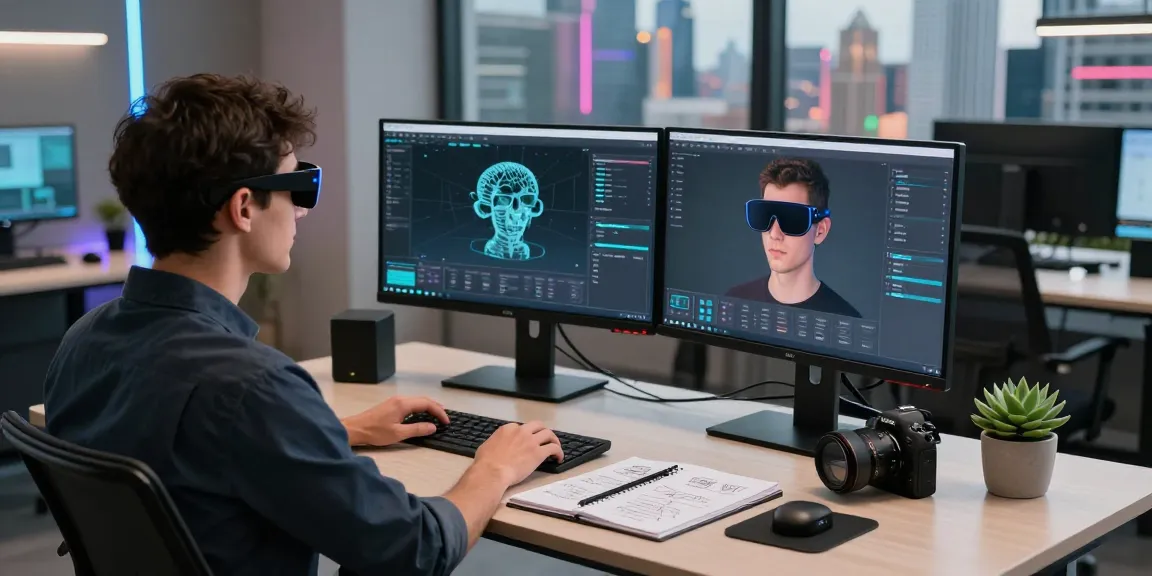
In the business sector, smart glasses are proving to be invaluable assets. They are utilized in various fields, including logistics, healthcare, and manufacturing. For example, warehouse employees can use smart glasses to scan items, receive real-time data, and manage inventory hands-free, leading to increased productivity and reduced errors.
In healthcare, surgeons can access essential information during operations without diverting their attention from the procedure. This seamless integration of technology enhances precision while minimizing the risk of complications. Companies are also using smart glasses for employee training, demonstrating tasks in a step-by-step manner that is both efficient and effective.
Enhancing Everyday Life: Consumer Uses for Smart Glasses
The potential for smart glasses extends into the daily lives of consumers. From capturing memorable moments to navigating unfamiliar places, these devices enhance modern living. For instance, smart glasses equipped with AR can provide real-time navigation details, reducing the need to check a phone while walking or driving. Fitness enthusiasts benefit from health tracking features, while gamers enjoy immersive experiences that blend the digital and physical worlds.
As applications continue to expand, smart glasses are becoming more integrated into everyday devices, resulting in an enriched lifestyle for users.
Educational Advancements Through Smart Glasses
Smart glasses are transforming educational experiences by providing interactive learning opportunities. Students can engage with digital content in real-time, enhancing comprehension and retention of information. For instance, history lessons can come to life through AR applications that overlay historical events in the physical environment, allowing students to visualize and interact with history as if they were part of it.
Furthermore, educators can utilize smart glasses to demonstrate complex concepts, making lessons more engaging and reducing the cognitive load on students. This innovative approach is reshaping traditional educational methods and paving the way for more interactive learning environments.
Challenges and Limitations of Smart Glasses
User Privacy Concerns and Data Security
Despite their numerous benefits, smart glasses raise significant privacy and security concerns. With built-in cameras and microphones, there is a potential for unauthorized recording and data collection, leading to fears about surveillance and data misuse. Consumers and businesses alike must navigate these concerns, ensuring that proper usage policies and guidelines are in place to protect privacy.
Furthermore, manufacturers need to prioritize user transparency, offering clear information about how data is being collected, stored, and utilized.
Technical Challenges: Battery Life and Performance
Battery life remains a crucial challenge for smart glasses, as users expect extended usage without frequent recharging. As the technology becomes more advanced and feature-rich, power consumption increases, leading to potential performance issues. Manufacturers are continually working on optimizing battery technology and efficiency to provide users with longer-lasting devices.
Additionally, enhanced performance often comes at a higher cost, which may deter potential buyers from investing in smart glasses as they become available.
Public Perception and Adoption Barriers
Public perception plays a significant role in the adoption of smart glasses. Despite their potential, many view them with skepticism or associating them with negative connotations, such as surveillance or social isolation. Overcoming these perceptions is essential for manufacturers to gain consumer trust and encourage widespread adoption.
Moreover, the usability and aesthetic appeal of smart glasses will heavily influence their acceptance. Designing stylish and comfortable options that resonate with consumers will be key to their success in the broader market.
The Future of Smart Glasses
Emerging Trends and Innovations to Watch in 2026
As we look to the future, several trends and innovations are expected to shape the landscape of smart glasses. The integration of AI and machine learning will enhance user experiences by providing personalized content and adaptive functionalities. Furthermore, advancements in AR technology will allow for more immersive interactions with the environment, expanding potential applications across various industries.
We can anticipate developments in form factor, with slimmer and more aesthetically pleasing designs becoming standard. Additionally, manufacturers will focus on improving battery life and processing power, making smart glasses more practical for everyday use.
Potential Market Growth and Industry Developments
The smart glasses market is projected to grow significantly in the coming years, driven by increasing demand across various sectors. Industries such as healthcare, retail, and logistics will continue to explore innovative applications that enhance efficiency and productivity. As businesses recognize the potential of smart glasses, investment in this technology is expected to rise, further fueling market growth.
Moreover, partnerships between tech companies and traditional industries will foster collaboration, paving the way for new usage scenarios and applications.
How Smart Glasses Will Shape Our Interactions with Technology
Smart glasses have the potential to redefine how we interact with technology, creating a more seamless experience that merges the digital and physical worlds. As these devices become more integrated into our daily lives, we can expect to see a shift in how we access information, communicate, and engage with our surroundings. This transformation will enable more intuitive interactions that enhance productivity and overall user satisfaction.
Conclusion
Summarizing the Impact of Smart Glasses on Daily Life
Smart glasses are not just a technological novelty; they are set to become an integral part of our lives. From enhancing productivity in professional settings to creating immersive educational experiences, the impact of smart glasses will be profound. As technology continues to evolve, so too will the capabilities of these devices, providing users with unprecedented opportunities.
Final Thoughts on Smart Glasses as a Game-Changer
As we move into 2026, the potential of smart glasses to change the way we live and work is immense. With their ability to simplify tasks, enhance experiences, and provide real-time information, they stand out as a game-changer in the tech landscape. For consumers and businesses alike, embracing this technology will be essential to staying ahead in an increasingly digital world.
Call to Action: Why You Should Consider Smart Glasses Today
If you have yet to explore the world of smart glasses, now is the time to consider their benefits. Whether you are looking to improve productivity, enhance your daily experiences, or gain a competitive edge in your industry, smart glasses offer unique advantages tailored to meet your needs. Embrace this innovative technology and see how it can transform your life for the better.
What are the best smart glasses available?
Several smart glasses are currently on the market, offering various features tailored to different user needs. Leading brands are continually innovating, making it essential for consumers to research and choose wisely based on personal preferences.
How do smart glasses improve productivity in the workplace?
Smart glasses enhance productivity through hands-free access to information, allowing users to multitask effectively while reducing time spent on manual tasks. This increased efficiency can lead to improved outcomes in various professional settings.
What safety measures should I consider when using smart glasses?
Users should be aware of their surroundings while wearing smart glasses, ensuring they do not operate them in situations where distraction could lead to accidents. Additionally, it’s crucial to respect others’ privacy and adhere to any relevant legal guidelines regarding the use of recording capabilities.
Are there specific industries that benefit more from smart glasses?
Smart glasses are particularly beneficial in industries such as healthcare, manufacturing, logistics, and education, where hands-free access to information and real-time data enhances operational effectiveness.
What should I look for when purchasing smart glasses?
When buying smart glasses, consider factors such as functionality, comfort, battery life, available applications, and compatibility with other devices. It’s essential to choose a model that meets your specific needs for optimal performance.