Understanding Train Ticket Safety: What Travelers Should Know
Traveling by train offers a unique blend of comfort, scenic views, and the joy of adventure. However, as with any form of travel, understanding the safety aspects of train tickets is paramount. From navigating the various ticketing options to being aware of digital security concerns, equipping yourself with knowledge will enhance your travel experience. When exploring options, train ticket purchases can transform your journey into a seamless adventure, especially in destinations that celebrate rail travel.
1. Overview of Train Ticketing Systems
Train tickets can be categorized into different systems based on the country and the specific rail service. In most countries, including the United States, UK, and European nations, ticketing systems can range from automated machines at stations to online platforms for purchasing tickets in advance. In countries like Japan, where rail travel is a cultural staple, the system is incredibly efficient, allowing travelers to reserve seats and select classes of travel seamlessly.
Understanding different ticket types, such as single, return, and rail passes, is essential for maximizing your journey. For instance, a rail pass may be the most economical choice for those planning to take multiple train journeys within a specific period.
2. Types of Train Tickets Available
Train ticket types vary, catering to a broad range of travel needs. Common options include:
- Standard Tickets: Ideal for one-off journeys, providing flexibility with travel times.
- Reserved Tickets: These ensure you have a specific seat on a particular train, often necessary during peak hours.
- Rail Passes: Unlimited travel over a defined period, great for those looking to explore numerous destinations.
- Discounted Tickets: Offered to students, seniors, or groups, these can significantly reduce travel costs.
- Flexible Tickets: Allow for changes to travel plans without heavy penalties, perfect for the spontaneous traveler.
3. Digital vs. Paper Tickets: Which is Safer?
The debate between digital and paper tickets continues among travelers. Digital tickets generally offer advantages in convenience and traceability. Most train apps or websites provide a secure way to store e-tickets, often allowing for easy access through a mobile device. This digital method minimizes the risks of losing a physical ticket.
However, there’s merit in opting for a physical ticket as a backup, especially in areas where technology may fail. Checking with the train service about their policies on lost tickets is prudent whenever you travel.
Essential Travel Tips for Buying Train Tickets
Buying train tickets can sometimes feel overwhelming, but a few essential tips can simplify the process. Knowing what to look for ensures you nab the best deals while navigating the intricacies of the ticketing landscape.
1. How to Choose the Right Ticket for Your Journey
Choosing the right ticket often hinges on your travel requirements. Begin by researching your planned route. Look for high-speed train options that provide swift connections between major cities if time is of the essence. Additionally, consider traveling during off-peak hours to find lower prices and more available seating. Always read the terms and conditions of your ticket types, as penalties for changes or refunds can vary significantly.
2. Money-Saving Strategies for Train Travel
Train travel doesn’t have to break the bank. Here are some effective strategies:
- Book early: Many rail services offer discounts for advance purchases.
- Take advantage of passes: A rail pass can be much more economical for multiple journeys.
- Group travel discounts: If traveling with family, inquire about group rates.
- Look out for promotions: Sign up for newsletters from train companies to stay informed about special offers.
- Consider alternative routes: Sometimes taking a longer route with layovers can save you money.
3. Booking Platforms: What to Look For
Your choice of booking platform can influence your experience. Look for platforms that are user-friendly, provide clear ticket options, and offer security features for payment.
Also, check for comprehensive customer support in case of booking changes or issues before your journey. Reading reviews of platforms can help determine their reliability and ease of use.
Travel Insurance and Train Travel: Coverage Essentials
While train travel is generally safe, having travel insurance tailored to cover train journeys can provide peace of mind. This means being prepared for unexpected events, enhancing your overall travel experience.
1. Why You Need Train Travel Insurance in 2026
With increasing uncertainties in travel, investing in train travel insurance has become more critical than ever. Policies typically cover cancellation charges, trip interruptions, and potential medical expenses that might arise during your journey.
2. Types of Coverage for Train Travel
There are a few key types of coverage you should consider:
- Trip Cancellation: Reimburses you for non-refundable costs if you need to cancel your trip.
- Medical Emergency: Covers medical treatment costs that might occur during your travel.
- Lost Luggage: Provides compensation in case your belongings get lost or damaged.
- Travel Delay: Covers additional costs if your trip is delayed significantly.
3. Claims Process: Ensuring Your Safety
Filing a claim can be a straightforward process if you maintain thorough records throughout your travel. Always keep receipts for any purchases made related to your trip and document incidents as they occur. Insurance policies typically provide guidelines on the necessary documentation required for claims.
Adventure on the Tracks: Fun Activities During Your Journey
Train travel offers not just transport but an adventure in itself. Here are wonderful activities to engage the traveler in you as you traverse across landscapes.
1. Scenic Routes Worth Experiencing
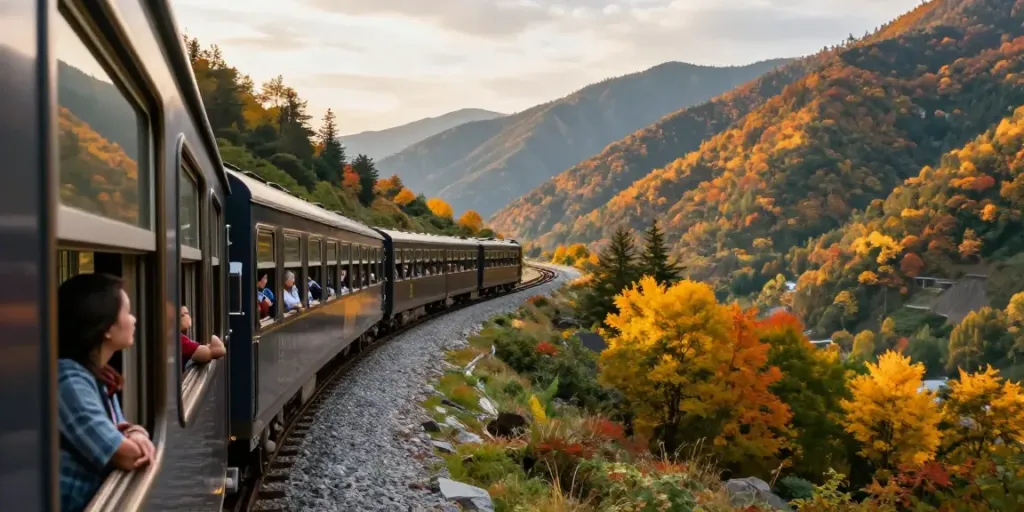
Some train journeys are world-renowned for their breathtaking scenery. Consider routes like:
- The Glacier Express in Switzerland: A breathtaking ride through the Alps with panoramic windows.
- The Rocky Mountaineer in Canada: Traverse stunning mountain ranges and lush valleys.
- The Orient Express: Travel back in time and enjoy the luxury and style of this historic train.
2. Local Cuisine to Try on Board
Many trains now offer gourmet dining experiences that allow you to savor local flavors as you travel. Be sure to ask about their dining options when booking or upon boarding. Some trains even feature local chefs preparing meals using regional ingredients, creating a uniquely immersive experience.
3. Out-of-the-Box Experiences During Train Travel
Make the most of your journey by engaging with local cultures and traditions. Participate in train events, workshops, or themed journeys, which might take you through historical routes, offering a deeper understanding of the area you’re exploring. Some rail services also host travel storytelling events to connect travelers with local narratives.
FAQs About Train Tickets and Safety
1. What are the safest train booking websites?
When it comes to booking train tickets, opt for well-known platforms like Rail Europe, Trainline, or the official websites of major train companies. These services typically offer secure payment options and customer support, ensuring a smoother booking experience.
2. How do I get refunds on train tickets?
Refund policies vary by train service and the type of ticket purchased. Some may allow for a full refund if canceled within a specific time frame, while others may impose fees. Always check the terms before purchasing.
3. Are there digital scams associated with train tickets?
As with any online purchases, vigilance is key. Only purchase tickets through reputable sites and maintain an eye out for phishing scams. Using secure payment methods can help protect your financial information.